A study co-authored by WashU Cardiovascular Division faculty members Joshua D. Mitchell, MD, MSCI, Ali Javaheri, MD, PhD, and Jonathan D. Moreno, MD, PhD, evaluated the availability and delivery of cardiac amyloidosis care across the U.S. Department of Veterans Affairs (VA) health system. The study also included Amen B. Zelleke, MPH, a clinical research coordinator in the Javaheri lab at the WashU Center for Cardiovascular Research, and lead author Sang Gune K. Yoo, MD, a former WashU cardiology fellow. The findings were published in JACC: Advances.
Cardiac amyloidosis is a progressive condition caused by the buildup of abnormal proteins in the heart that can lead to heart failure and other serious complications. Although awareness of the disease and treatment options has increased in recent years, timely diagnosis and coordinated care remain challenging, particularly in older populations. The VA health system cares for more than 2,000 Veterans with cardiac amyloidosis, making it an important setting for evaluating access to specialized care.
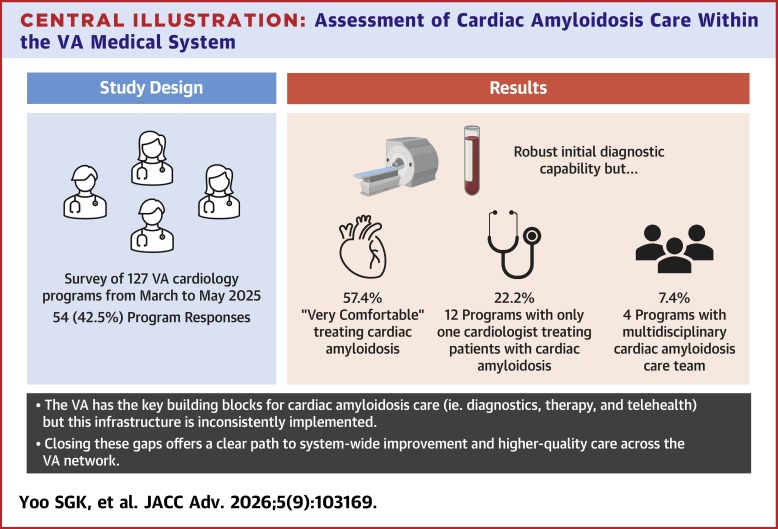
The researchers surveyed 127 VA cardiology programs nationwide to assess clinician experience, diagnostic resources, treatment availability and multidisciplinary care infrastructure. Responses from 54 programs revealed substantial variability in provider comfort, staffing and care pathways. While most respondents reported feeling comfortable caring for patients with cardiac amyloidosis, some programs had only a single cardiologist providing care, and a small number reported having no cardiologists actively managing the condition. Only four programs reported having a formal multidisciplinary cardiac amyloidosis team.
Despite these differences, the investigators found that the VA system has many strengths, including broad access to diagnostic testing, national availability of disease-modifying therapies and a robust telehealth infrastructure. The authors conclude that targeted efforts to standardize care delivery and expand multidisciplinary expertise could help improve outcomes for Veterans living with cardiac amyloidosis.