Huffman on KMOV news: Heart Healthy Tips for National Exercise Day (Links to an external site)
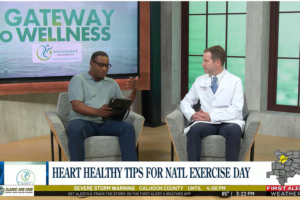
Missouri residents urged to act early under new cholesterol guidance (Links to an external site)

The American Heart Association and the American College of Cardiology have released new guidance on cholesterol management, as heart disease remains the leading cause of death nationwide.
Health professionals said what makes high cholesterol even more dangerous is many people do not realize they have it.
Dr. Mark Huffman, Washington University Medicine cardiologist at Barnes-Jewish Hospital, in St. Louis, said there is some good news.
WashU Medicine team performs region’s first procedure using breakthrough valve technology
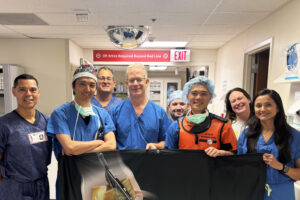
Cardiologists and cardiac surgeons from WashU Medicine’s cardiovascular and cardiothoracic surgery divisions used the used newest technology to successfully treat a high-risk patient with a failing heart valve. Physicians at WashU Medicine have performed the first procedure in the region using a novel catheter-based tool that simplifies a complex and potentially life-saving heart valve intervention. […]
Huffman Receives Honorary Professorship at University of Abuja

Mark Huffman, MD, MPH, William Bowen Endowed Professor of Medicine in the Cardiovascular Division at Washington University School of Medicine in St. Louis, has been named an honorary professor at the University of Abuja in Nigeria. The appointment recognizes his contributions to cardiovascular research and public health in Nigeria . Huffman has co-led a research […]
DOM Insider – Vol. 29 (Links to an external site)
Amyloid Center of Excellence Selected for AHA ATTR-CM Discovery Initiative
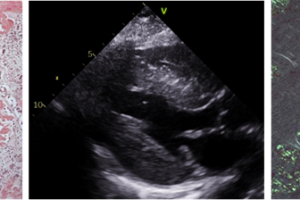
The WashU Medicine Amyloid Center of Excellence has been selected as one of just 10 centers nationwide to participate in the American Heart Association’s ATTR-CM Discovery Initiative, a three-year program aimed at transforming care for patients with transthyretin amyloid cardiomyopathy (ATTR-CM).
Ewald Receives BJH Neville Grant Award
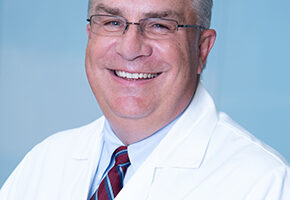
Greg Ewald MD, Director, Section of Heart Failure and Heart Transplantation, has received the 2026 Neville Grant Award for Clinical Excellence. Ewald and other recipients will be recognized at the upcoming BJH Medical Staff Association Semi-Annual meeting. The BJH “Dr. Neville Grant Award for Clinical Excellence” is granted annually to a member of the attending medical staff who, […]